
03 Jul Beauty trends 2026: the key factors that are transforming the cosmetics sector
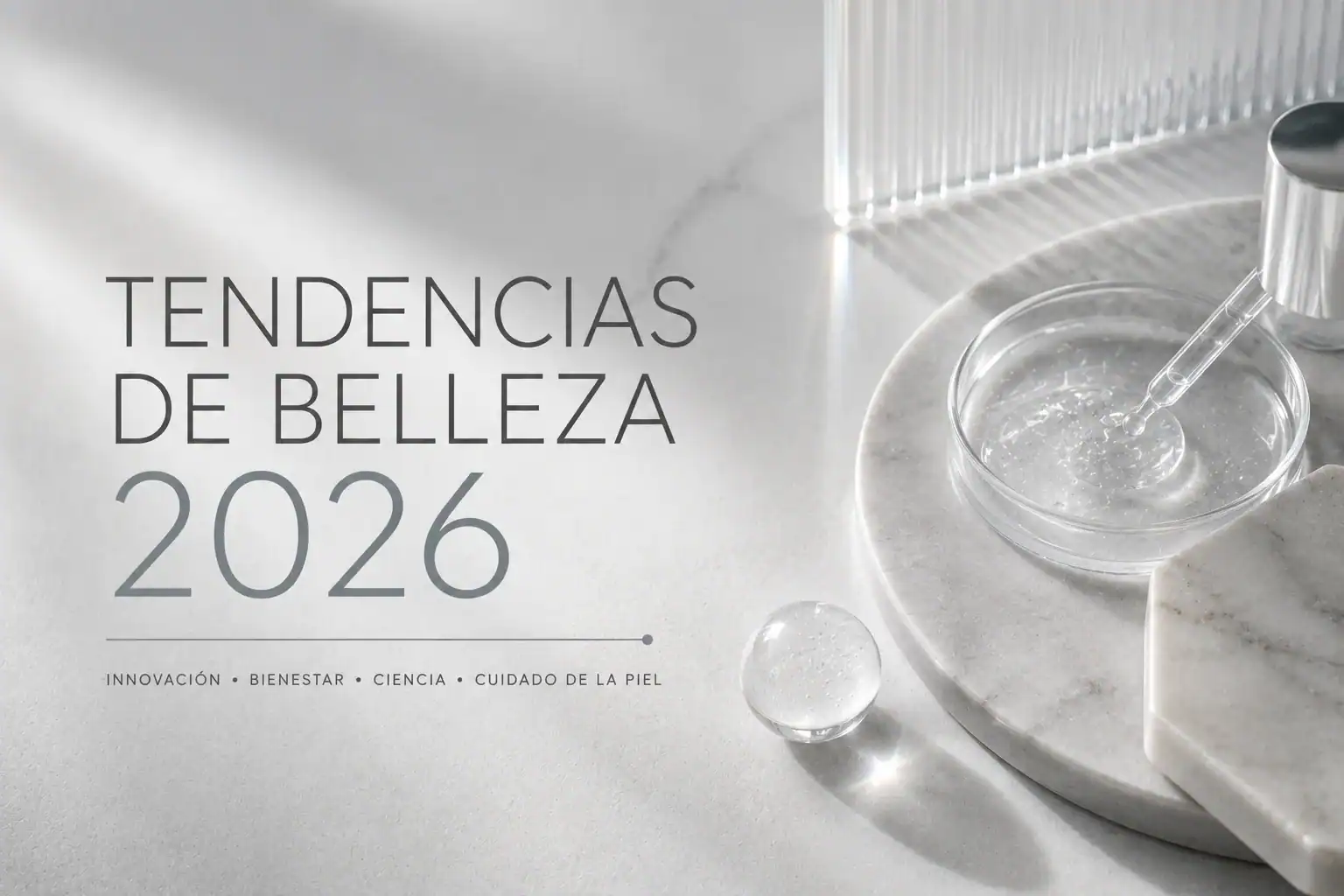
Beauty trends 2026 reflect a profound transformation in how consumers understand personal care. Effectiveness remains important, but it is no longer the sole deciding factor. Aspects such as skin health, simplicity of routines, sensory experience, and overall well-being are increasingly taking center stage.
This shift in behavior is driving a new generation of products and categories in skincare, body care, hair care, and cosmetics, forcing manufacturers and brands to rethink their innovation strategies.
Market demand signals show that this transformation is already underway. Analysis of millions of conversations about beauty and personal care identifies 39 trends grouped into 14 growth drivers, confirming the rapid pace at which consumer expectations are evolving.
These are the five beauty trends 2026 that are shaping the beauty sector, according to the latest Mintel Black Swan Data report.
1. Skin longevity replaces "anti-aging"
For decades, the cosmetics industry talked about combating aging. However, following the beauty trends 2026, today’s consumer is adopting a much more positive view of skincare.
The goal is no longer to erase the signs of aging, but to maintain healthy, resilient, and functional skin for longer. Concepts like prevention, regeneration, and resilience are gradually replacing the traditional “anti-aging” message.
This evolution is driving the development of products formulated with next-generation ingredients, such as peptides or biotechnological actives, capable of promoting skin health from a preventative perspective.
Data shows that this trend is gaining momentum. Interest in Graceful Ageing has increased by 33%, while regenerative ingredients like PDRN have seen an 88% growth. Peptides, meanwhile, continue their positive trend with a 21% increase in the analyzed conversations.
More than fighting aging, consumers are looking to care for their skin for the future.
2. Skinimalism: fewer products, better results
After years of complex, multi-step routines, consumers are looking to return to the essentials.
The so-called Skinimalism movement favors multi-functional products, effective formulas, and simple routines that facilitate daily care without sacrificing results.
Simplicity is no longer perceived as a limitation, but rather as a sign of confidence, knowledge, and responsible consumption.
This trend is also reflected in the data. Conversations related to Slow Beauty have increased by 85%, while Minimalist Rituals have grown by 62%. Furthermore, interest in simple routines has risen by 34%, confirming that consumers prioritize practical solutions that are easy to integrate into their daily lives.
For brands, this means focusing on products that deliver more value with fewer steps and much clearer communication.
3. Sensory beauty: Beauty is also felt
The user experience has become a differentiating factor.
Today, consumers value both a product’s effectiveness and the sensations it provides during application. Texture, aroma, and the application ritual itself all contribute to creating an experience that goes beyond cosmetic benefits.
In a context where stress is part of daily life, the beauty routine becomes a moment of pause and well-being.
The numbers support this evolution. Interest in velvety textures has grown by 35%, while conversations about clean fragrances have increased by 17%. Even new textures, such as mousse and jelly, are beginning to gain prominence.
Innovation no longer depends solely on the formula, but also on the experience the product offers.
4. Metabolic beauty: The skin reflects overall well-being
The line between beauty and health continues to blur.
More and more consumers believe that skin condition is linked to factors such as sleep, diet, stress, hormonal balance, and gut health.
As a result, there is growing interest in solutions that approach skincare holistically, combining science, wellness, and prevention.
The growth in certain conversations is particularly significant. Interest in hormonal balance has increased by 67%, while concepts like Balanced Skin have seen a 41% increase, and functional skin drinks have risen by 37%.
All of this reflects a new way of understanding beauty: caring for your skin also means caring for your body.
5. Body care gains prominence
For a long time, cosmetic innovation focused primarily on the face.
However, body care is experiencing a period of strong growth, driven by consumers seeking to improve skin elasticity, hydration, and recovery all over their bodies.
This trend responds to both the aging population and changes in lifestyle habits, weight fluctuations, and a greater interest in overall well-being.
Data shows a particularly notable increase in conversations related to skin recovery, which have risen by 51%. Shower routines also stand out, with a 44% increase, as does deep exfoliation, which has grown by 40%. Furthermore, interest in products that improve skin elasticity has increased by 22%.
All indications are that body care will definitively cease to be a secondary consideration in beauty routines.
How these trends are driving innovation in cosmetics
Although each trend addresses different needs, they all share a common direction: consumers demand more effective products that are gentler on the skin and offer a complete personal care experience.
For manufacturers, brands, and distributors, understanding this evolution is essential to developing solutions aligned with market expectations and identifying new opportunities for innovation.
At Cosmewax, we closely monitor the evolution of the beauty sector to develop products that meet the new demands of consumers and clients, combining innovation, efficacy, and a deep understanding of the trends shaping the future of beauty.
Ready to develop products aligned with the trends that will shape the future of the beauty industry?
At Cosmewax, we help brands worldwide transform market trends into innovative cosmetic solutions. If you’re looking to develop skincare, body care, or hair removal products that meet evolving consumer expectations, our team can help you turn those opportunities into successful launches.
This article was developed based on the main findings of the 2026 Beauty & Personal Care Demand Signals report, produced by Mintel Black Swan Data, which analyzes millions of online conversations and emerging trends to identify the main innovation opportunities in the beauty and personal care sector.
Frequently Asked Questions
Which beauty trends should cosmetic brands invest in for 2026?
The strongest opportunities for cosmetic brands include skin longevity, simplified skincare routines, multifunctional products, premium body care and wellness-driven beauty. These categories are showing sustained consumer demand and offer significant potential for product innovation and portfolio expansion.
How can beauty brands turn consumer trends into successful product launches?
Brands should combine consumer insights with scientific formulation, market validation and manufacturing expertise. Working with an experienced cosmetic manufacturer helps accelerate development while ensuring products align with current market expectations and regulatory requirements.
Which skincare ingredients are expected to grow in 2026?
Ingredients associated with skin regeneration and long-term skin health are expected to continue growing. Peptides, biotechnology-derived actives, PDRN, skin barrier ingredients and multifunctional formulations are attracting increasing attention from both consumers and beauty brands.
How are beauty trends influencing private label and contract manufacturing?
Beauty trends are driving higher demand for flexible manufacturing partners that can rapidly develop innovative formulations, customize products and support faster product launches. Brands increasingly look for manufacturers that provide R&D expertise alongside production capabilities.
What product categories offer the greatest innovation opportunities in beauty?
Skincare remains the largest innovation category, but body care, scalp care, intimate care and hybrid beauty products are experiencing rapid growth. Consumers are also demanding products that combine efficacy with wellness and sensory experiences.
Sorry, the comment form is closed at this time.